All Weather Shield
At Thermal Building Concepts we truly believe that insulation must perform not just by itself in the lab test but in real world application.
All insulation products must perform as a system in the entire building assembly.
Conventional R-Value testing for codes is still based on the least predominant heat transfer method.
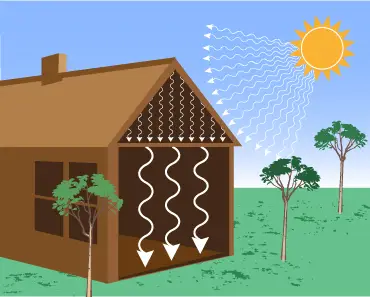
Factors such as wind or air infiltration, the sun or infrared rays and moisture or potential condensation issues are not factored in.
Most porous insulations are tested stand alone or with building materials such as OSB, sheetrock, wood, etc. and are not actually real-world test methods. When you factor in multiple different climate zones, the temperatures they use in most lab tests, then add in the variables of each building structure or system, it is our professional opinion that a few important facts have been left out when making these important decisions.
Thermal 3Ht Insulation simply controls all three forms of heat transfer. It provides a thermal break and adds significant insulation value. We were challenged early on and followed through with requests from top code officials. We provided over and above the set standard ASTM testing in multiple wall assemblies on its own and/or combined with fiberglass and improved the overall R-value performance by 60% up to over 100%.
After all, what’s most important to anyone? How does your insulation product perform in the real world? How simple is it to install? What’s the cost and ultimately how much energy are we saving, not wasting?
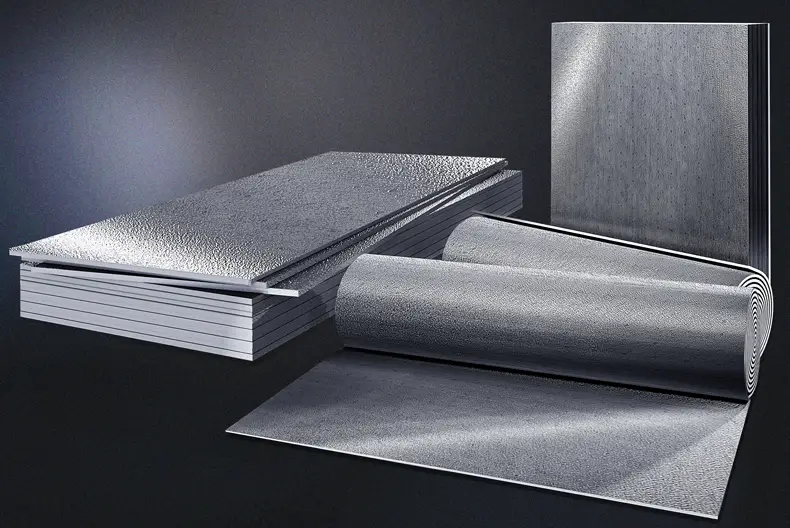
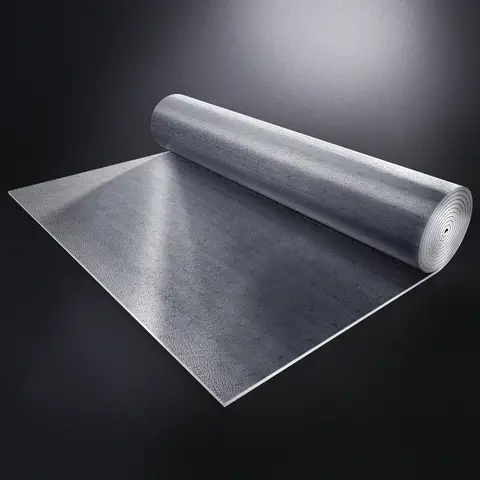
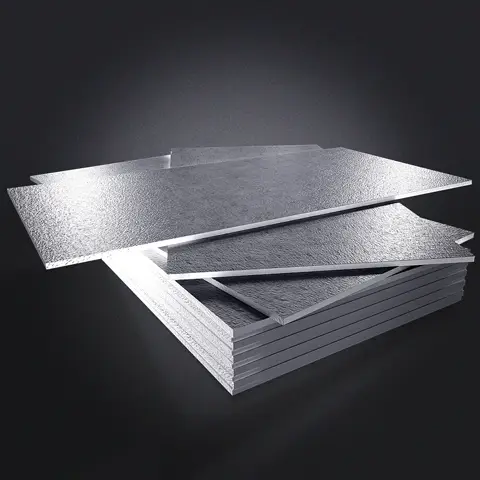
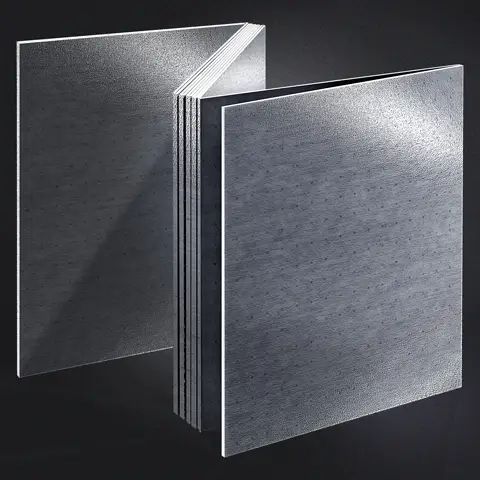
Thermal 3Ht insulation is a cost effective and efficient insulation system which addresses all mechanisms of heat transfer. In one product, Thermal 3Ht insulation is an air and vapor barrier, a radiant barrier and an insulator.
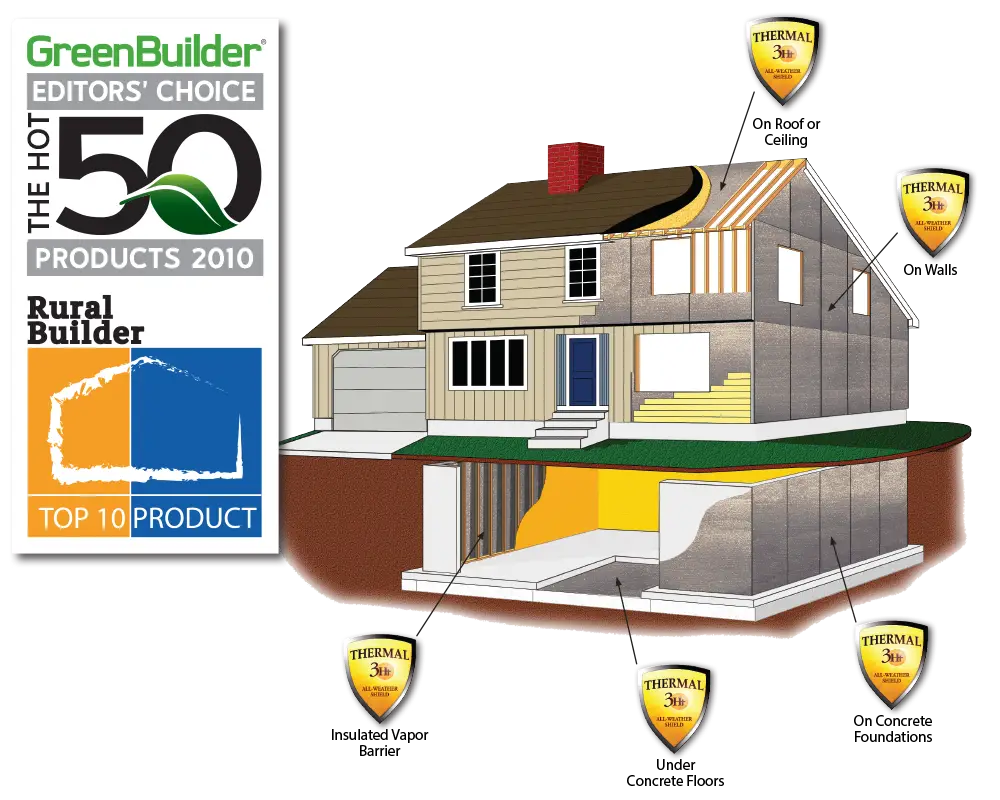
The American Society of Heating, Refrigerating and Air Conditioning Engineers (ASHRAE) has raised the bar for energy performance. The minimum insulation R- Value in Standard 90.1 – the nation’s model energy code for commercial buildings has been increased by 33% for new roof and wall construction.
R-20 is the new minimum required E-Value. That means 4.75 inches of expanded polystyrene is the minimum acceptable level of insulation in new commercial buildings.
Standard 90.1 addresses building envelope requirements of commercial buildings, multi-unit high–rise residential buildings and semi conditioned spaces such as warehouses.
ASHRAE’S progressive action will improve the efficiency of the commercial building sector by conserving energy and reducing both carbon emissions and operating costs for owners,
Standard 90.1 is not only part of the Energy Policy Act but is also the standard for USGBC’s LEED and is recognized in both the International Building Code and the International Energy Conservation Code.
Don’t settle for R-20. Build beyond the code and reduce your energy costs.
For more details visit www.ashrae.org
“Building Beyond the Code”
The U.S. Green Building Council (USGBC) has developed a nationally accepted system to rate the design, construction and operation of buildings. The USGBC’s Leadership in Energy and Environmental Design (LEED) is a standard that recognizes the life-cycle cost of construction and helps to guide and distinguish high performance commercial and institutional projects. The LEED rating system allows designers and building owners to acquire credits by meeting certain conditions pertaining to the use of sustainable, energy-efficient and environmentally-friendly products and systems. Buildings can become LEED certified by achieving certain point levels. There are four levels of certification.
Using Thermal 3Ht Insulation products in building designs can assist in obtaining LEED credits in several categories.
Listed below are the categories where Thermal 3Ht Insulation products may assist in achieving LEED credits. A brief description of the credit is also included.
To access the Green Building Rating System for new Construction and Renovations, visit www.usgbc.org.
Purpose: Reduce the heat islands to minimize impact on microclimate and habitat. The credit requires the use of a reflective roofing material or the use of a roof garden.
Although this credit does not relate solely to insulation, Thermal 3Ht Insulation has reflective membranes and can be used in roof systems and in garden roof assemblies to help reduce the urban heat island effect.
Purpose: Reduce the negative environmental impact resulting from excessive energy use by demonstrating a measurable improvement in the building performance rating compared to the baseline building performance rating per ASHRAE/ESNA standard 90.1-2004 (without amendments) This credit encompasses the entire building.
An increase in the R-Value of Thermal 3Ht Insulation used in the roof, wall and below- grade systems of a project would contribute to this credit.
Purpose: Provide for the ongoing accountability of building energy consumption over time by developing and implementing a Measurement and Verification Plan.
Although this credit does not relate solely to insulation, proper R-value provided by Thermal 3Ht Insulation products will contribute to the overall energy savings and the subsequent accounting of building energy consumption.
Purpose: Recycle and/or salvage at least 50% (1 point) or 75% (2 points) of non-hazardous construction and demolition debris.
Thermal 3Ht Insulation can receive and reuse uncontaminated polystyrene removed from rehabilitated buildings and the scrap generated on new construction projects.
Purpose: Use salvaged, refurbished or reused materials so the sum of these materials, based on cost, constitutes at least 5% (1 point) or 10% (2 points) of the total value of materials on the project to reduce demand for virgin material and minimizing generation of waste.
Thermal 3Ht Insulation roof insulation is suitable for and can be reused in new roof systems at the end of the original roof system’s life.
Purpose: Increase demand for building products that in corporate recycled content of at least 10% (1 point) or 20% (2 points) thereby reducing impacts resulting from extraction and processing of virgin materials.
Thermal 3Ht Insulation can provide products suitable for use in several different construction applications with up to a 25% pre-consumer recycled content.
Purpose: Increase demand for building materials and products that are extracted and manufactured within the region, thereby supporting the use of indigenous resources and reducing the environmental impacts resulting from transportation. If only a fraction for a product or material is extracted harvested recovered and manufactured, locally, then only that percentage by weight shall contribute to the regional value.
Thermal 3Ht Insulation can provide products that include only components extracted, harvested or recovered, as well as manufactured, within 500 miles of the project site for minimum of 10% (based on cost) of the total materials valued.
“Green” Steel Construction in the 21st Century Pre-engineered steel buildings have seen substantial growth in popularity over the past several years. Steel is 100% recyclable and is the most recycled material in the world. Thus, each ton of recycled steel saves 2,500 pounds of iron ore and approximately 1,000 pounds of coal. Most steel utilized in the construction of steel buildings consists of 70% recycled content – in fact, the Green Building Resource Guide gives steel framing its highest 5 icon rating making it a true “green” product.
Properly insulated, steel construction can save natural resources, energy and money. Unfortunately, steel is 300 times more thermally conductive than wood resulting in short circuit thermal bridging through steel framing members. With improved insulation products, this short coming can be overcome. Today, because of public concerns regarding environmental issues as well as ever increasing energy costs, studies show that consumers have become willing and prepared to ensure their steel buildings are energy-efficient.
The American Society of Heating, Refrigerating, and Air Conditioning Engineers (ASHRAE) has increased the minimum required prescriptive R-value for roof and wall insulation levels in Standard 90.1. The revised standard establishes criteria for metal building walls and roofs defined by heating and cooling degree days.
The goal is to describe how insulation systems perform when installed in “real world” steel buildings. Unfortunately, “real world” conditions are complicated. Interior and exterior temperatures are seldom consistent enough to permit accurate heat flow measurements. The effects of radiant heat gain and loss, air infiltration, moisture, and thermal bridging (a result of compression of insulation over metal purlins and girts) and occupancy levels complicate the situation even further.
It has been shown that in most climate zones, fiberglass batt insulation in metal walls cannot meet the new prescriptive requirements. In steel buildings the effectiveness of cavity insulation is reduced by up to 65%.
In order to achieve higher levels of energy efficiency, building projects are encouraged to comply with the full requirements and establish an energy use target that is 25% lower than present conventionally constructed steel buildings. Natural Resources Canada is considering an even more stringent target of 50% below ASHRAE 90.1 requirements.
Studies conducted by Independent Accredited Testing Laboratories, Natural Resources Canada (NRC) and Oakridge National Laboratory, US Department of Energy (ORNL), etc. prove there is much more to an efficient building system than the R-value of an insulation product.
There are many ways to insulate steel buildings. However, which system is the most energy efficient and cost effective? On its own, fiberglass insulation does little to stop heat and cold transfer “thermal bridging” through framing members. Foam in-place insulation systems are expensive and may break down over time and Rigid board insulation lacks flexibility and requires thickness to be effective, making it both an expensive and labor intensive alternative.
Thermal 3Ht Insulation is a unique blend of Expanded Polystyrene (EPS) insulation with reflective metalized polypropylene facers. In one cost effective, flexible and easy to install product, Thermal 3Ht Insulation is an air barrier, a vapor retarder, a radiant barrier and an insulator. Thermal 3Ht Insulation on its own and combined with fiberglass insulation has been tested by Architectural Testing Inc. (ATI) an independent accredited laboratory in the USA and Canada. In steel wall assemblies, ASTM testing shows ½” Thermal 3Ht Insulation combined with R-19 fiberglass insulation improved the R-value of the wall system by over 100%. Thermal 3Ht Insulation reduces thermal bridging through steel framing members and is capable of moving the dew point from within the wall cavity to outside the wall….where it belongs. Thermal 3Ht Insulation is UL and Energy Star approved, is recognized by the US GREEN Building Council (USGBC) and qualifies for LEED points. Compared to typical insulation systems, Thermal 3Ht Insulation combined with fiberglass insulation, becomes both an extremely efficient and cost effective insulation system for pre-engineered steel buildings.
It will always be challenging to determine the pay back or return on investment when comparing a “green” building to a conventional building. However, recent studies have shown energy efficient GREEN buildings have 13.5 percent higher market values, 5.9 percent higher net incomes per square foot, 4.8 percent higher rents and 1 percent higher occupancy rates. Green buildings are as much as 40 percent more efficient than conventional buildings resulting in significantly lower utility costs. Their air quality is superior, providing a healthier and more comfortable environment for occupants.
So, when it comes to making a decision about improving the market value, efficiency, conservation of energy and comfort of your steel building, the benefits of insulating with Thermal 3Ht Insulation are undeniable.
Disclaimer:
Since Inception in 2009, Thermal 3Ht product has either been tested, classified, certified, or members of, after approvals from all business entities or organizations below: ICC/International Codes Council, UL/Underwriters Laboratories,
USGBC/United States Green Building Council, Energy Star and/or LEED and Green Building Certifications. With Architectural Testing Inc., our company did all the tests and independently owns testing results and some of the other
listed memberships. We have multiple manufacturing private label agreements; to save money or time we share expenses with some of the manufacturers for some credentials. Therefore, with our company’s Private Label Agreements requested
and recommended guidelines for quality raw materials and laminates with quality products from each manufacturer will in turn save both companies the hassle of complaints and returns. Only the manufacturer of the product in this scenario can
regulate the warranty on their products. Our companies Thermal 3H+ trademarked name and reputation will continue to be our main priority. With all the prior, current, or discontinued credentials or memberships above provides a complete
package to maintain the trust of the public and our authentic crusade.
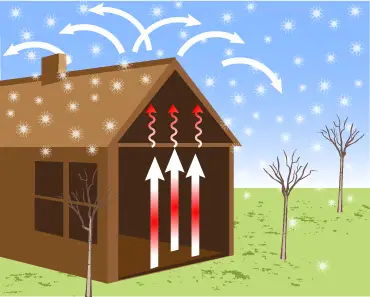
This is the transfer of heat energy through matter and is most effective in solids, but can happen in fluids. Simple example is a pan on a stove top heating element coil burner. In building assemblies heat transfer occurs through metal or wood framing members and interior exterior sheathing with cavity fill insulation. Even though metal conducts approximately 300% faster than wood, conduction usually is the least predominant form of heat transfer in a building structure. This is especially true when using a high-performance continuous insulation product as a thermal break.
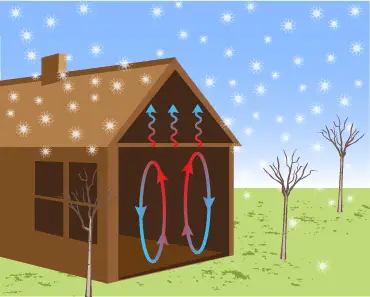
This is the transfer of heat energy in a gas, vapor and/or air infiltration. Simple example of a vapor is a pot of boiling water or humidity in air flow. Since warm air is naturally displaced by cold air, convection due to air leakage in any walls or ceilings, through the framing or cavities, is a major contributor to energy loss in buildings. Therefore, convection usually is the second most predominant form of heat transfer in building structures.